














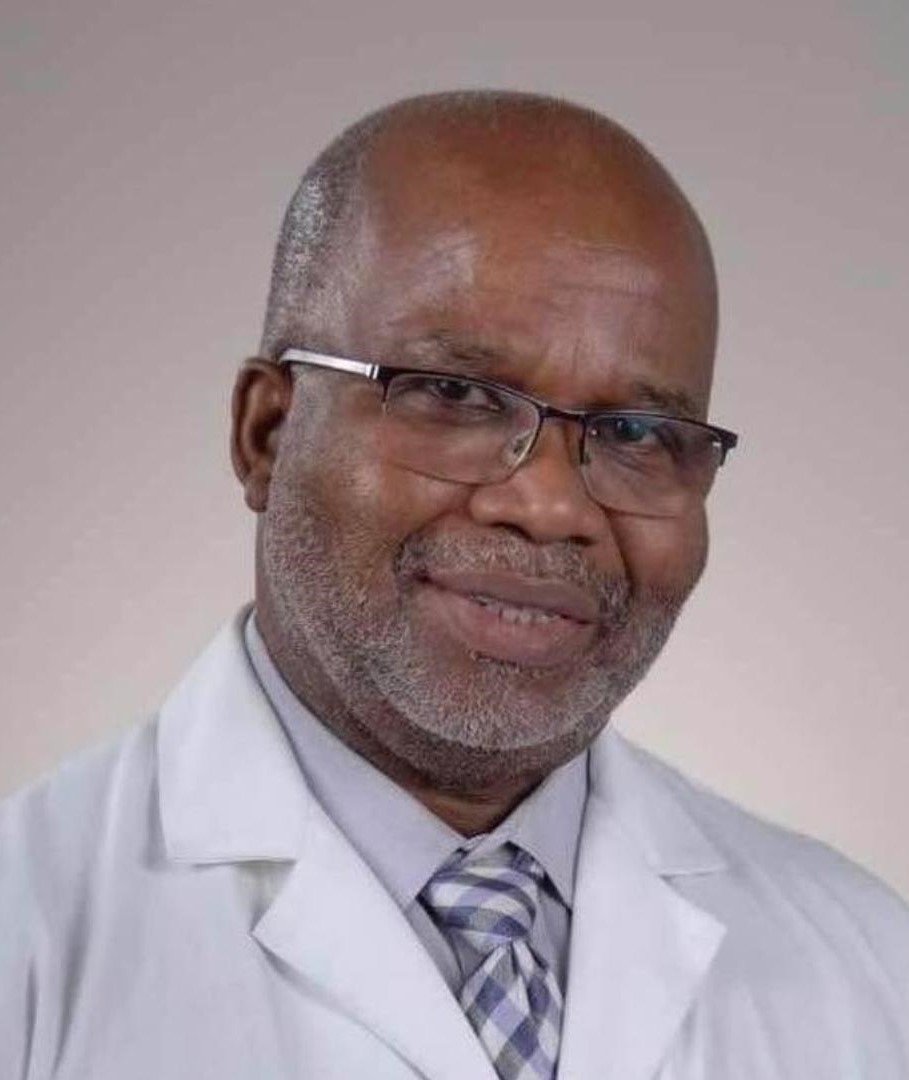
On Christmas Day 2025, the body of Dr. Cletus Iwuagwu, a 71-year-old Nigerian-born geriatrician and professor, was discovered in a pond near his home in Springfield Township, Ohio. The Lucas County Coroner’s Office performed an autopsy the following day, ruling his cause of death as drowning.
Further investigations are ongoing.
Dr. Iwuagwu had been missing since November 25, shortly after being discharged from the hospital, prompting a widespread search by local authorities and community members. This sudden and heartbreaking end has left his family, colleagues at the University of Toledo College of Medicine, and the medical community in mourning, highlighting the fragility of life even for those dedicated to preserving it in others.
Dr. Iwuagwu’s professional journey was rooted in hard work. At least that’s how it appears to me.
Born in Nigeria, he earned his medical degree in the late 1980s and later trained in the United States, becoming a board-certified specialist in geriatric care. For over two decades, he focused on treating elderly patients with chronic conditions such as hypertension, cognitive decline, and other age-related ailments at the University of Toledo, where he also served as a professor.
His ethnic background as an Igbo man from Nigeria connects him to a rich cultural tapestry that includes deeply holistic traditional healing systems, even if his own career path diverged toward mainstream medicine.
I could go on for hours about how they heal their people naturally, but there’s not enough room. But I can say definitively he was a good man. The Igbo people, one of Nigeria’s largest ethnic groups primarily from the southeastern region, have a long history of holistic medicine known as Ọgwu Igbo or folk medicine. This approach views health as an interconnected balance of body, mind, spirit, and community, rather than isolated symptoms. Traditional Igbo healers, called dibia, employ a multifaceted toolkit that includes herbal remedies derived from plants, animals, and minerals; spiritual rituals such as divination, prayers, and libations to ancestors or deities; and psychological or manual therapies like massage and incantations. Illness is often attributed to disruptions in spiritual harmony, social relationships, or cosmic forces, rather than purely biological causes, leading to treatments that address these broader dimensions.
For instance, common practices involve using specific plants for their medicinal properties—such as bitter leaf (Vernonia amygdalina) for digestive issues or malaria, or alligator pepper for pain relief—combined with rituals to restore equilibrium. Psychiatric healing among the Igbo might blend herbal mixtures with spiritual interventions, like dances or exorcisms, to treat mental health conditions seen as imbalances in the soul or influences from malevolent forces. This resilience of folk medicine persists today, often blending with modern healthcare in Igbo communities, where people might consult a dibia for cultural or spiritual ailments while seeing a doctor like Iwuagwu for physical ones. Ethical considerations in Igbo folk medicine emphasize community welfare, natural remedies, and spiritual ethics, viewing healing as a sacred duty. While Dr. Iwuagwu himself practiced and taught conventional geriatric medicine without documented involvement in holistic or traditional Igbo methods, his cultural origins tie him to this vibrant heritage. Many Nigerian immigrants, including those of Igbo descent, maintain connections to these practices through family traditions or community networks, even as they integrate into Western systems. His story underscores the global diaspora of African healing wisdom, where ancient holistic approaches continue to influence modern lives, albeit indirectly.
As investigations into the circumstances of his disappearance and death conclude——Dr. Iwuagwu’s legacy remains one of dedication to elderly care.
Yet, through his Igbo roots, it also invites reflection on the enduring value of holistic medicine in addressing the full spectrum of human well-being. Our thoughts are with his loved ones during this difficult time.